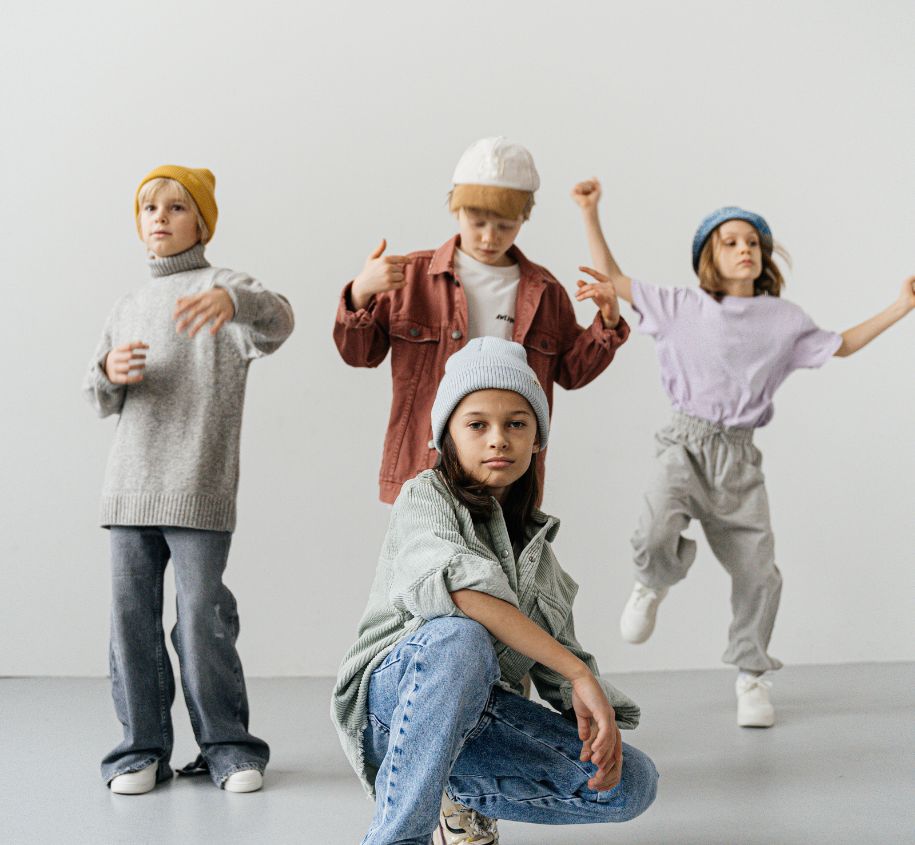
In an ever-changing world, the next generation holds the key to the future. Today’s kids, empowered by technology, innovative ideas, and an unyielding sense of purpose, are beginning to make a real impact on the world around them. From environmental activism to advancing technology, the leaders of tomorrow are not waiting for the future to unfold—they are actively shaping it today.
While it’s easy to view the younger generation as being too young to make a difference, the truth is that they’re already on the front lines of social change, paving the way for a more inclusive, sustainable, and tech-savvy world. This blog will explore how today’s amazing kids are influencing various aspects of society, from technology and social issues to environmental advocacy and entrepreneurship.
The Digital Revolution: A New Generation of Innovators
The digital landscape has seen rapid evolution, and today’s children are at the helm of this transformation. From a young age, kids are increasingly exposed to digital tools, opening up a world of possibilities in terms of innovation and creativity. Many kids have developed coding skills, launched apps, or started their own YouTube channels by the time they’re in their early teens. With the constant advancement of technologies such as artificial intelligence, blockchain, and robotics, it’s no surprise that children today are growing up in an environment where innovation is an everyday occurrence.
One notable example is the rise of young tech innovators like Gitanjali Rao, who, at just 15, was named Time’s Kid of the Year for her groundbreaking work in STEM fields. Gitanjali’s invention, a device for detecting lead in drinking water, showcases the power of young minds in solving real-world problems. This is just one example of how kids are not only participating in the digital revolution but driving it forward.
In schools, there is a growing emphasis on coding and STEM education, with initiatives designed to teach kids the skills they need to become the next generation of innovators. Programs such as Girls Who Code are empowering young girls, in particular, to break into the world of technology and engineering, fields that have historically been underrepresented by women. This effort is helping to level the playing field, fostering an inclusive environment where everyone, regardless of gender, has the tools and opportunities to thrive in the tech industry.
Environmental Advocacy: Kids Leading the Charge for a Sustainable Future
One of the most remarkable trends among today’s youth is their commitment to environmental sustainability. Climate change, plastic pollution, and deforestation are no longer just adult concerns—they are issues that today’s kids are addressing with passion and determination.
Greta Thunberg, the Swedish teenager who became an international environmental icon, has inspired millions of young people worldwide to take action against climate change. What began as a solo protest outside the Swedish parliament blossomed into the Fridays for Future movement, a global youth-led initiative calling for urgent action on climate change. Greta’s unwavering commitment to the cause has resonated with young activists, who are now taking their place on the world stage and demanding change.
But Greta is far from alone. Across the globe, young people are organizing marches, writing petitions, and advocating for green policies. In the U.S., movements such as Sunrise Movement are led by teenagers and young adults who are pushing for a Green New Deal—a comprehensive policy designed to address climate change and economic inequality. These young activists are urging governments, corporations, and individuals to take accountability for their environmental footprints, and they are setting the example for the next generation.
In addition to activism, children are becoming conscious consumers, making decisions that support sustainability. Many young people are shifting away from single-use plastics, opting for eco-friendly alternatives like reusable water bottles, cloth bags, and metal straws. Kids are also the driving force behind many successful sustainability initiatives at schools, from organizing recycling programs to advocating for the use of renewable energy in their communities.
Social Justice and Advocacy: Raising Voices for Equality
Today’s children are also at the forefront of movements for social justice. Whether it’s advocating for racial equality, gender equality, or LGBTQ+ rights, kids are not afraid to raise their voices and demand that their voices be heard. Social media has provided a platform for young people to engage in activism in ways that previous generations could never have imagined.
The Black Lives Matter movement gained significant traction when young people took to the streets and used social media to share their stories and experiences. Teens and young adults have been instrumental in mobilizing efforts to fight systemic racism, pushing for police reform,
and calling for accountability in the justice system. Young leaders like Amanda Gorman, the U.S. National Youth Poet Laureate, have used their talents to inspire a nation to engage in conversations about race and inequality.
In the area of gender equality, kids today are pushing for women’s rights to be universally acknowledged and respected. Young activists are standing up against sexual harassment, advocating for equal pay, and encouraging girls to pursue careers in traditionally male-dominated fields like STEM. The #MeToo movement, which gained momentum through social media, has empowered young girls and women to come forward with their stories of abuse and discrimination, demanding that they be heard and believed.
Moreover, LGBTQ+ rights have been another area where kids are leading the charge for inclusion. The voices of young LGBTQ+ individuals have been instrumental in advocating for policies that protect their rights, such as the right to marry, adopt children, and serve in the
military. Today’s youth are creating safe spaces for one another, organizing pride events, and challenging societal norms that seek to undermine their identity.
The Rise of Young Entrepreneurs: Kids as Business Leaders
Entrepreneurship is another area where today’s kids are truly shining. From creating apps to selling handmade products, young people are taking risks and starting their own businesses at earlier ages than ever before. With the rise of social media platforms like Instagram and TikTok, kids have unprecedented access to markets and customers, enabling them to turn their passions into profitable ventures.
Take, for instance, Moziah Bridges, who started his own bow tie business at the age of 9. His company, Mo’s Bows, has since grown into a successful brand, with Moziah even appearing on the show Shark Tank to pitch his business. Moziah’s story is just one example of how kids are leveraging their creativity and entrepreneurial spirit to build businesses that inspire others.
Similarly, Alina Morse, the 15-year-old founder of Zollipops, a line of sugar-free lollipops, has become a successful entrepreneur. After watching her younger sister struggle with dental health, Alina decided to create a candy that would be good for teeth. What started as a school project has now become a thriving company, with Zollipops sold in major retailers across the country.
These entrepreneurial kids are learning valuable business skills—marketing, product development, customer service, and more—while also inspiring other young people to pursue their own business ideas. The rise of online marketplaces and e-commerce platforms has made it easier for children and teens to launch their businesses and reach a global audience.
Education Reform: Students Take Control of Their Learning
Today’s kids are not just waiting for the world to change—they are actively seeking to change the systems that shape their lives. Education reform is a major area where students are stepping up and demanding more from their schools. Many students are calling for a more inclusive, accessible, and relevant education that prepares them for the real world.
For example, many young people are advocating for more mental health support in schools, recognizing that emotional well-being is just as important as academic achievement. Students are also pushing for curriculums that reflect diversity and inclusivity, including topics such as racial history, climate change, and LGBTQ+ rights.
In some parts of the world, young people are challenging outdated education systems that prioritize rote memorization and instead advocating for experiential learning. The movement for project-based learning allows students to engage with real-world issues, fostering critical thinking and problem-solving skills that will serve them well in the future.
Conclusion: The Future is in Good Hands
The future looks bright, thanks to the incredible work being done by today’s kids. From revolutionizing technology and leading environmental efforts to advocating for social justice and entrepreneurship, the next generation is already taking steps to create the world they want to live in. As adults, it is our responsibility to support them, give them the tools they need to succeed, and listen to their voices as they pave the way for a better tomorrow.